Before
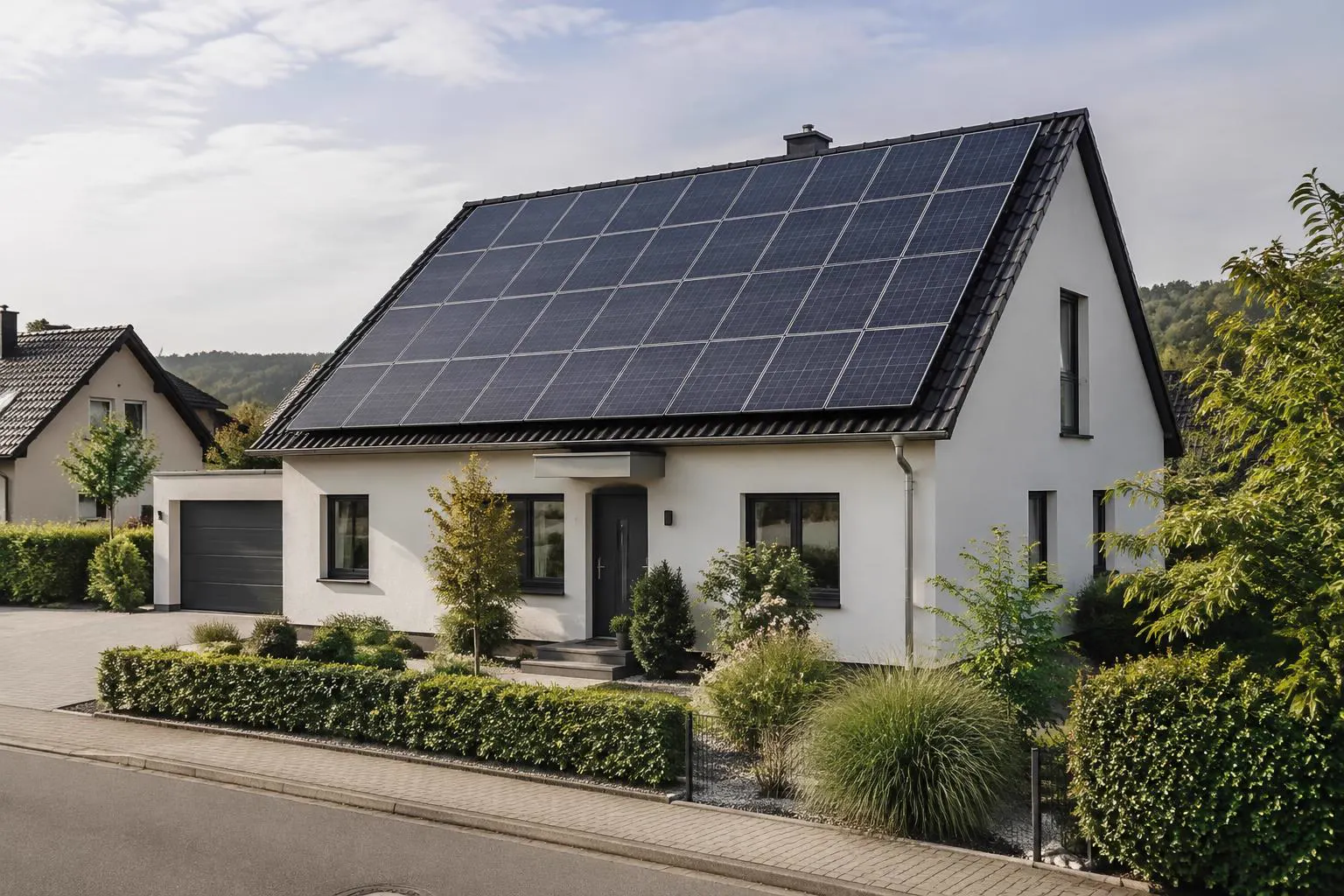
For a few
- Requires a large budget
- Requires a roof of your own
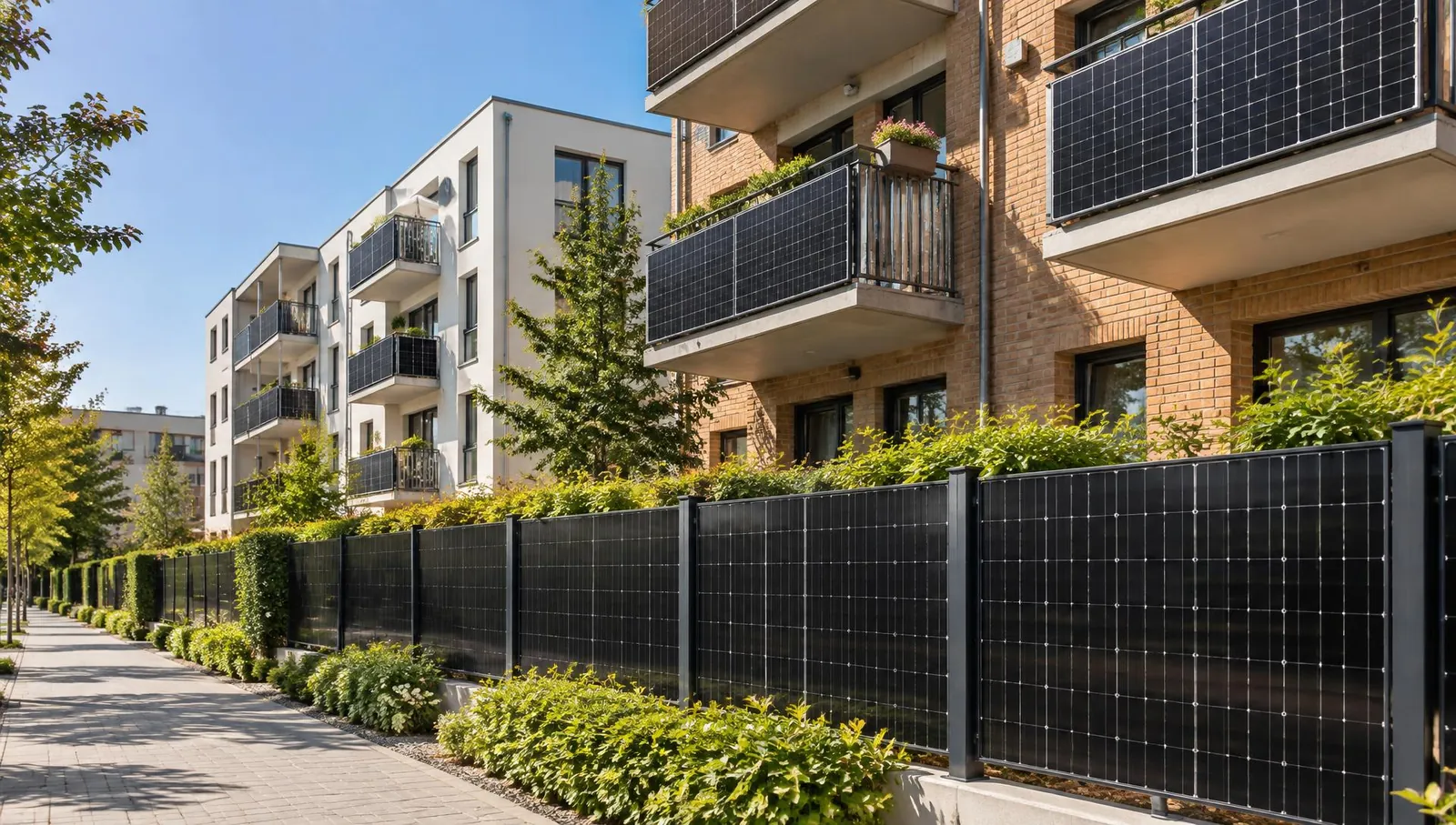
We help cities make off-roof solar safe and accessible to all residents, from program design through implementation.
~2%
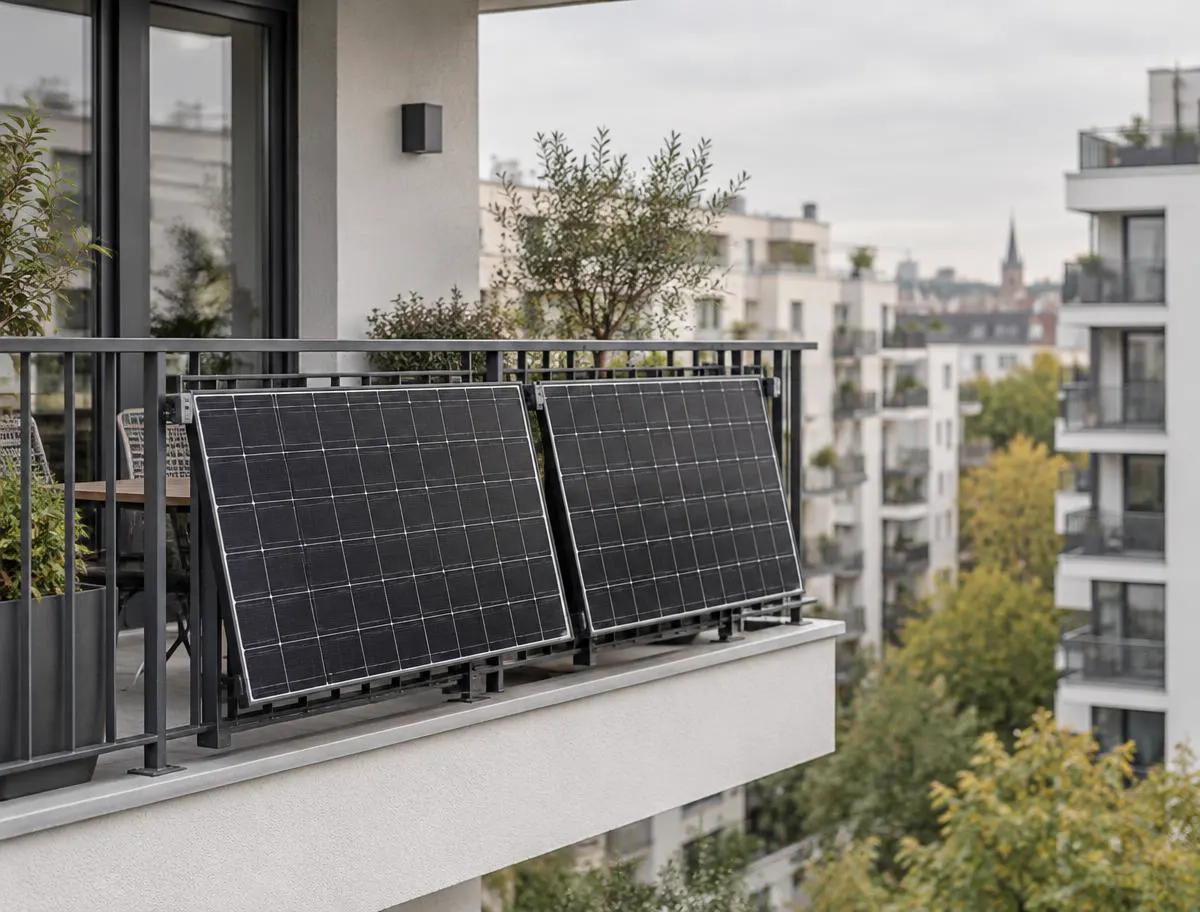
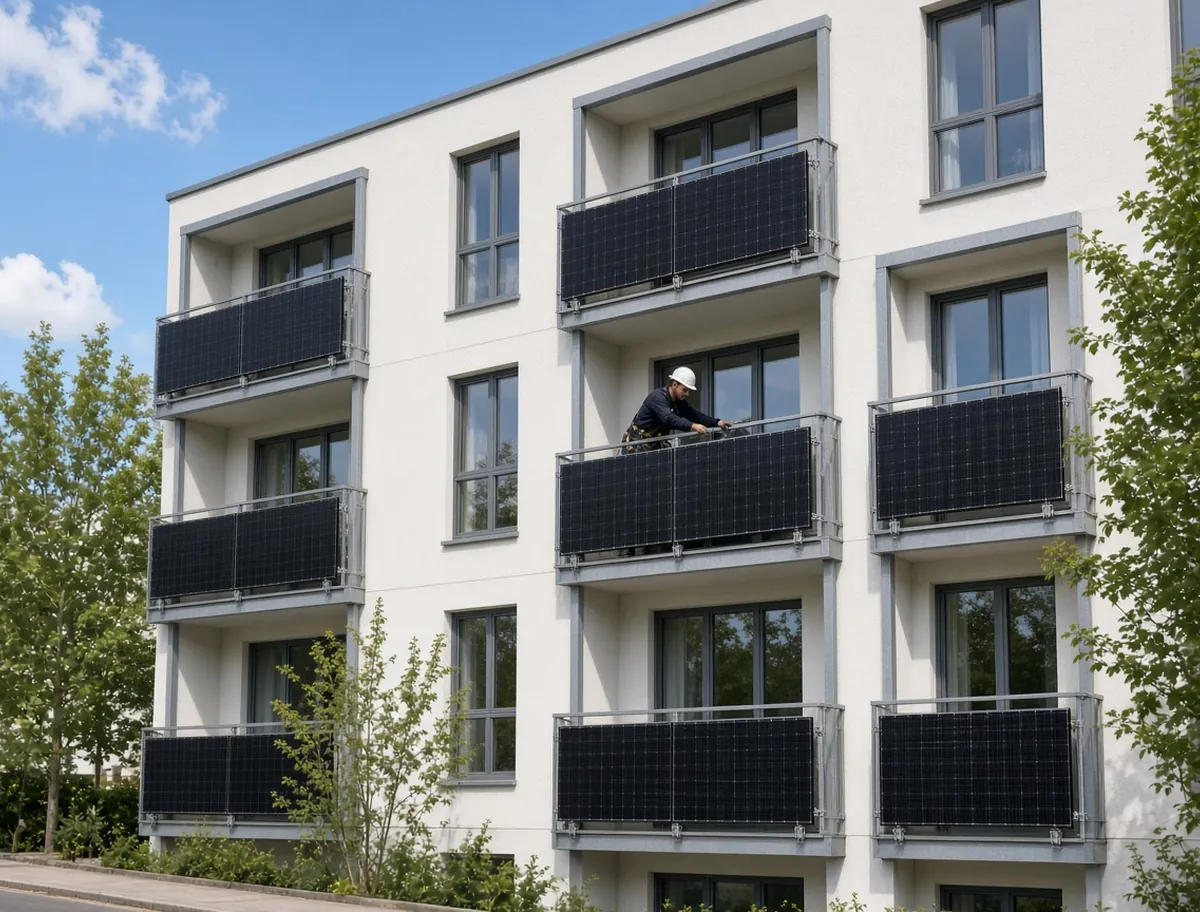
Balcony PV already accounts for around 2% of installed capacity in Germany.
Before
Today
Lowers local emissions
Provides essential backup during power outages
Makes solar part of everyday life
Supports cleaner, smarter cities
Inspires children through example
Off-roof solar with a small battery gives households basic backup during outages, extreme weather or grid stress.
Off-roof solar enables low-income households to generate electricity and take part in the energy transition.
Every resident asks the same four questions. A good program answers them before they become a reason to give up.
01Is it worthwhile?
Your program answers: A sky scan shows yield and payback for their exact spot.
02Am I allowed to install it?
Your program answers: Clear local rules, explained in plain language.
03Which system is right?
Your program answers: Certified kits matched to balcony, wall or fence.
04Who can help?
Your program answers: Your city's advice service and trusted local installers.
Municipal balcony solar programs are no longer an experiment. They are a proven way to reach residents without a roof.
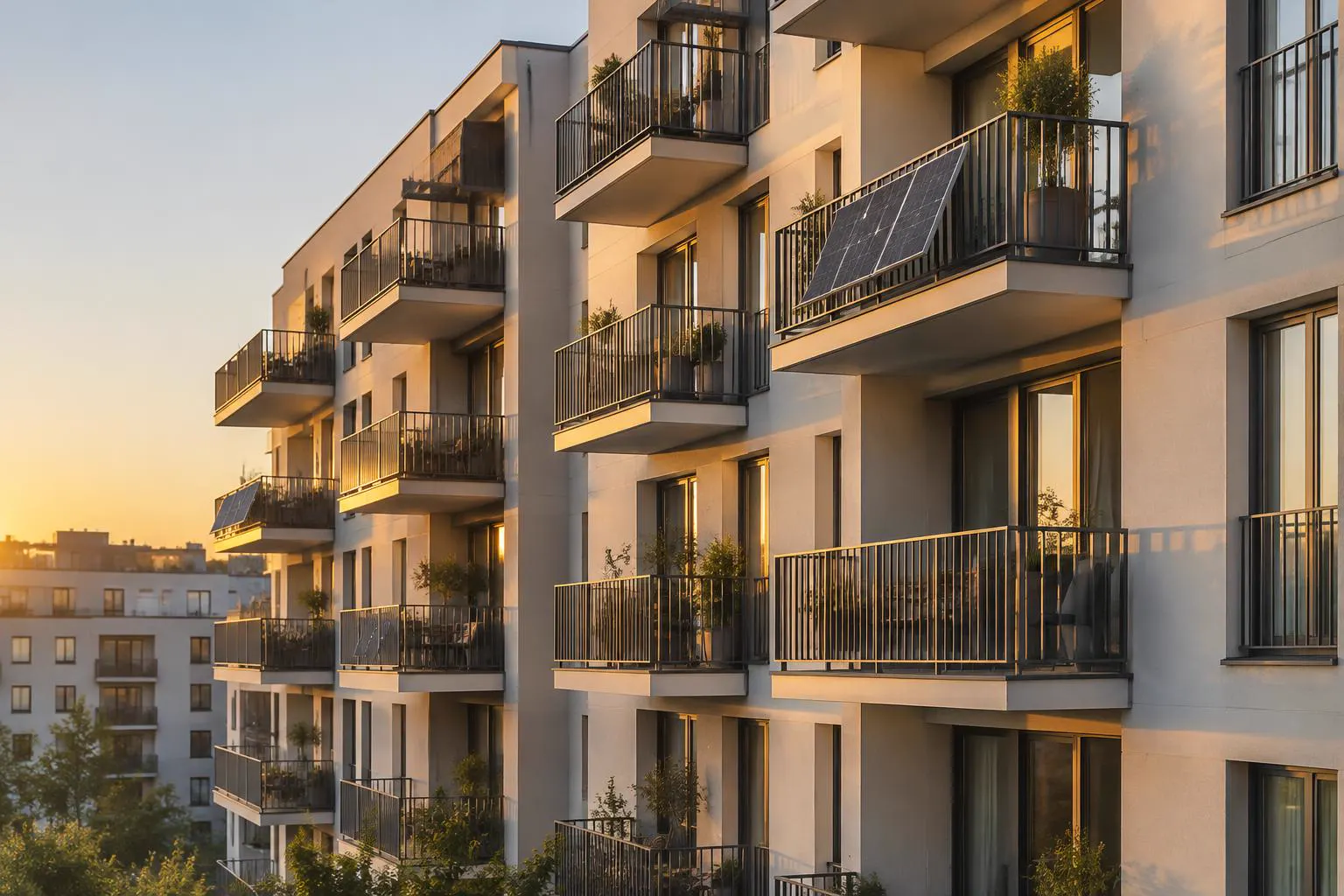
Pilot · Luxembourg
Esch-sur-Alzette, Luxembourg
A first-of-its-kind pilot: the city, its utility Sudstroum and the Climate and Energy Fund subsidise balcony kits for apartment residents, with installation support included.
BalkonSonne is not part of Solar.Esch. We show it as a reference model.
Many German cities and districts run their own balcony solar grant programs. Demand from residents is clearly there; what is often missing is a simple, trusted route to take part.
Real, sourced examples from Germany, France, Switzerland, Luxembourg and Lithuania, grouped by model. They are references only; none of these cities is a client or partner of BalkonSonne.
A flat grant for every balcony kit, open to all residents.
€150 per kit, about 1,900 applications by the end of 2025
Source Kassel (opens in a new tab)A flat amount per device up to 800 W, applied for after installation.
€100 per device
Source Gelsenkirchen (opens in a new tab)A grant per watt peak, with a much higher share for holders of the München-Pass.
€0.40 per Wp, 95% for München-Pass holders
Source Munich (opens in a new tab)Run with Caritas: advice for households, support in talking to the landlord and a grant for low-income households.
Up to 90% of the cost
Source Hamburg (opens in a new tab)Through the Stromspar-Check, low-income households get a kit installed for free.
Free installed kit
Source Kassel (opens in a new tab)Partner installers deduct the municipal grant directly from the invoice, so residents do not pre-finance it. Residents can still choose any installer.
Grant deducted on the invoice
Source Esch-sur-Alzette (opens in a new tab)A group purchase with an installation workshop, funded by a local solar park.
A €325 kit for €60 to €225, depending on income
Source Vallons de Haute Bretagne (opens in a new tab)Means-tested aid that also covers the outdoor socket.
80% of the cost, up to €800
Source Métropole Rouen Normandie (opens in a new tab)The city energy fund supports tenants and condo owners.
Up to CHF 250
Source Luzern (opens in a new tab)Solarpaket I (May 2024) reduced registration to one online entry in the Marktstammdatenregister.
One online registration
Source Germany (opens in a new tab)Since 1 Nov 2024, balcony installations no longer have to be coordinated with the city architect.
No sign-off by the city architect
Source Lithuania (opens in a new tab)All figures: SolarPower Europe, 2025.
Read the report (opens in a new tab)As of 29 Oct 2026. Programmes change or run out of funds, always check the official page.
Design a programme like these for your city.
We help you choose the model, set up the scan campaign and work with local installers.
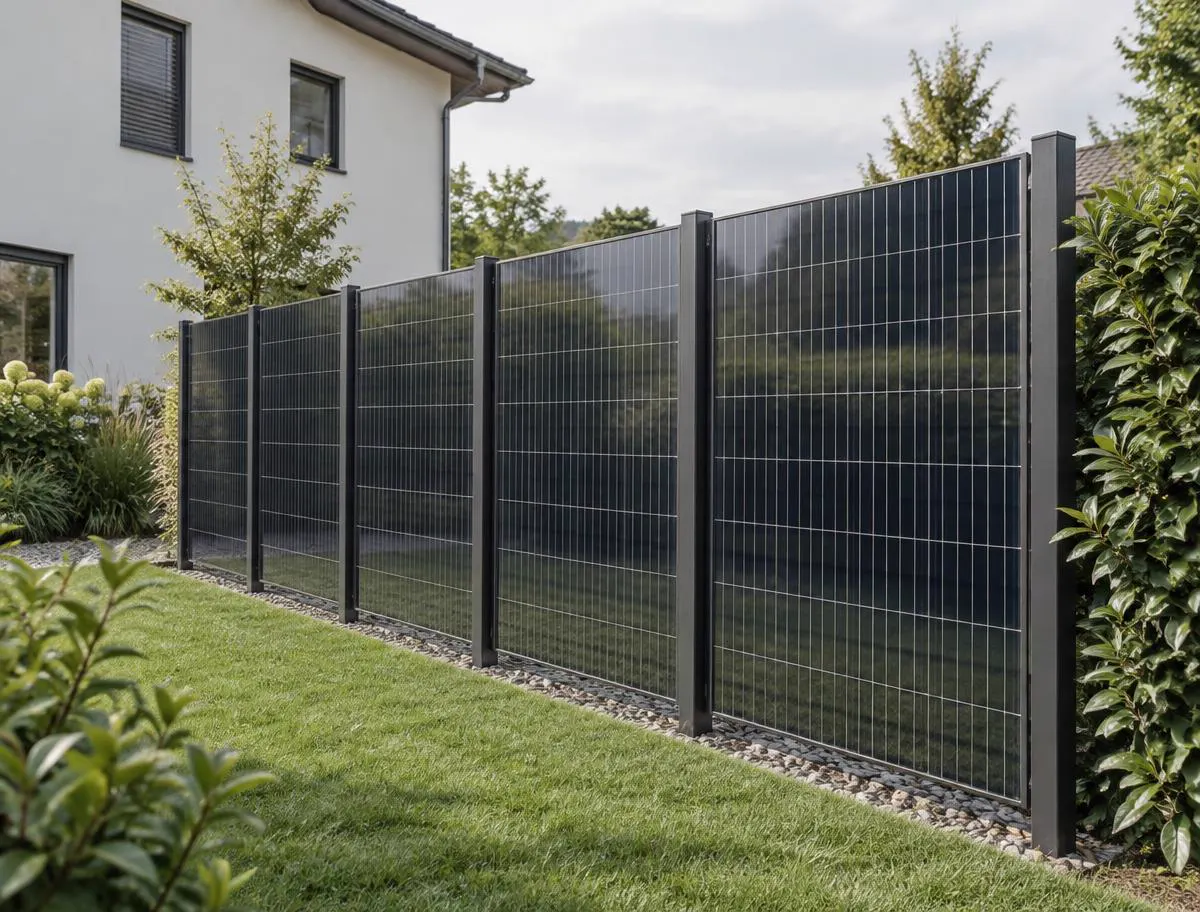
Clarify what is permitted, where systems can be installed and which safety standards apply.
Define certified products, trusted installers, grid rules and insurance requirements.
Incentives, advice and reliable information lower the initial barrier.
Create a simple path from interest through advice and purchase to installation and support.
Bring together municipal utilities, grid operators, installers, housing providers, insurers and resident groups.
Track adoption, emissions avoided, resilience and resident participation.
White-label sky scan featuring your city's logo.
Incentive Finder and audience targeting for your program.
Anonymized, aggregated scan results by neighborhood.
Templates for websites, social media, print and information sessions.
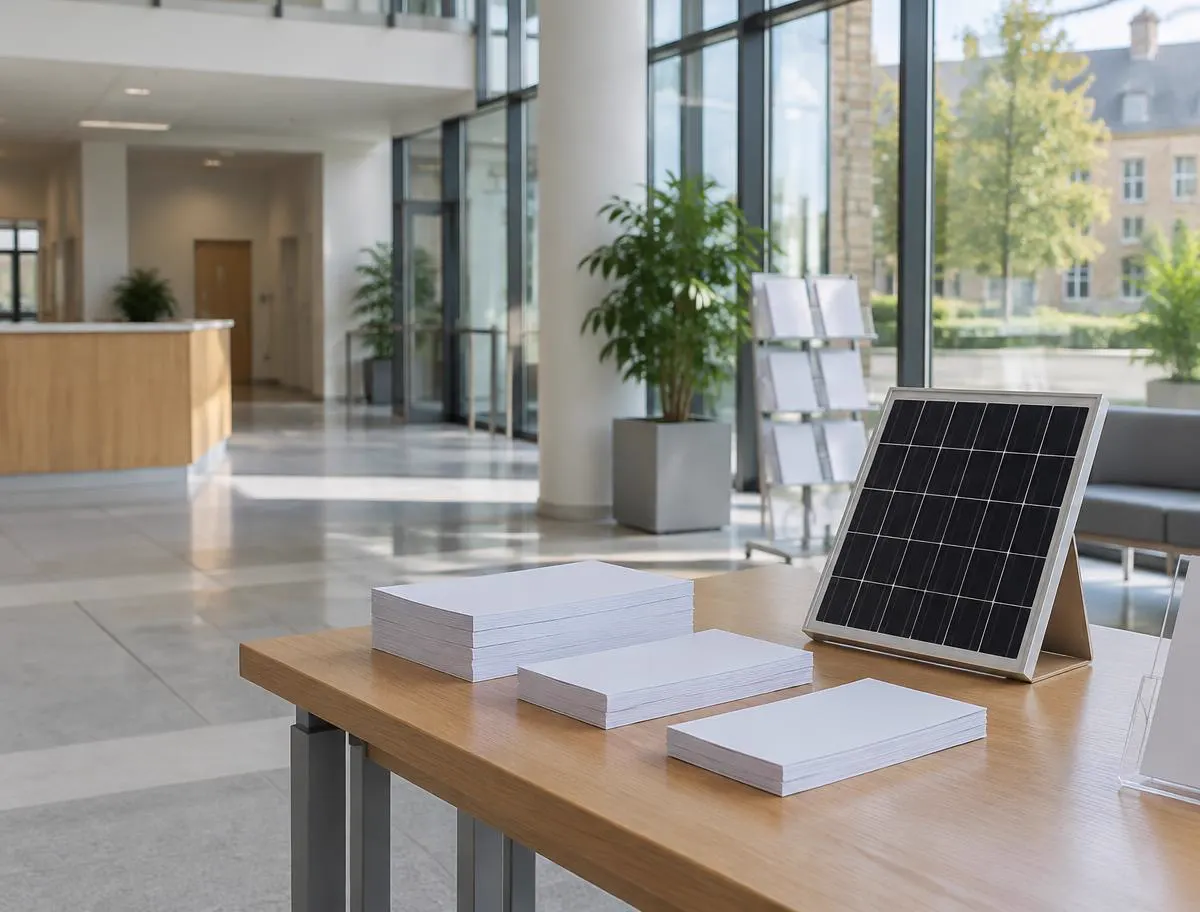 01
Explain options, costs, safety and next steps clearly.
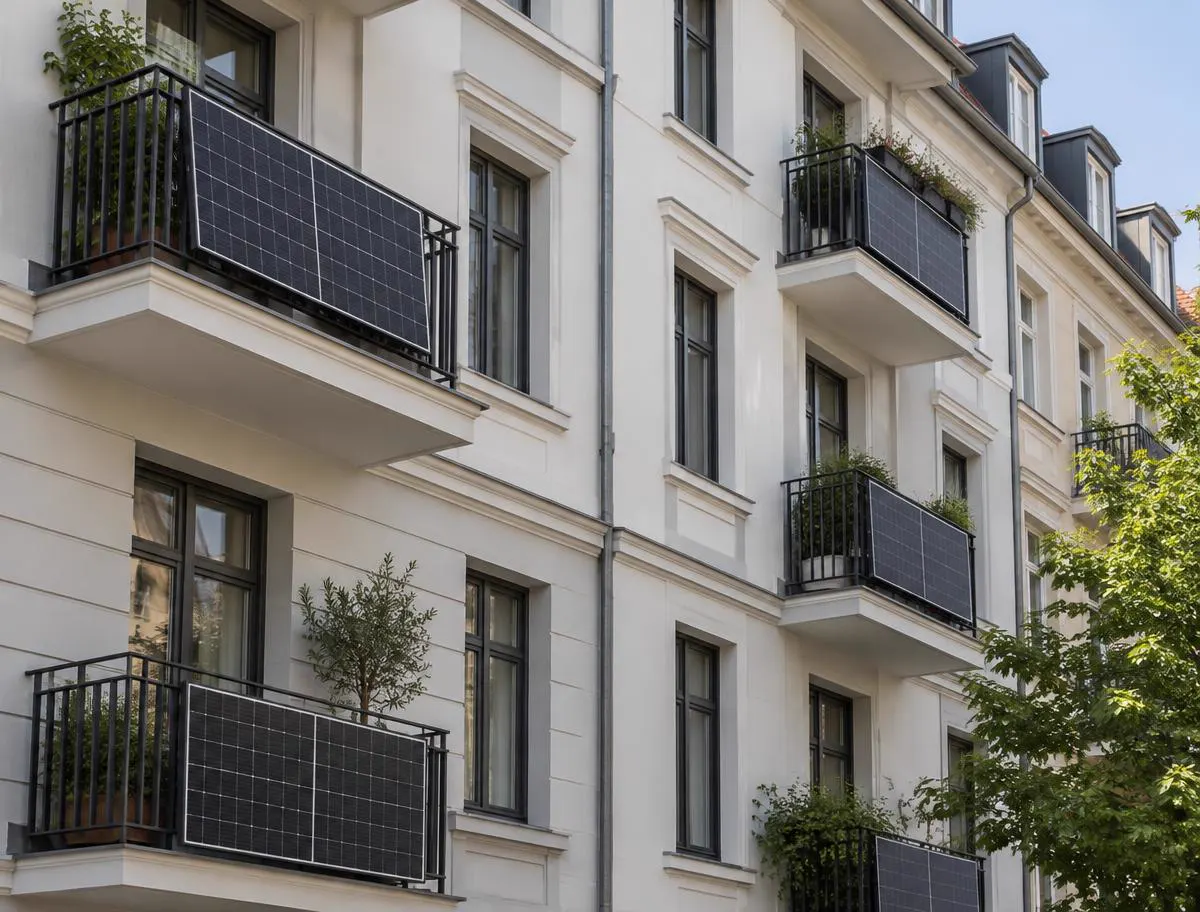 02
Connect residents with municipal advice and trusted partners.
 03
Show available incentives, grants and financing options.
 04
Prepare permits, installers and safe installation.
from €999 · or tailored
Arrange a meeting (opens in a new tab)Define objectives, roles, requirements and operating model.
Set up processes, partner agreements, resident communications, payment rules and tracking.
Launch the program, onboard technicians and support the first projects.
Track adoption, review implementation, measure impact and improve the program.
A limited advisory engagement within procurement thresholds.
Work packages, partner criteria and evaluation framework.
Coordinate public- and private-sector partners.
Support the rollout, document progress and improve the program.
A simple route to local solar power and greater resilience.
Fewer emissions and active participation.
Municipal utilities, installers and housing providers work within a shared framework.
A model to follow: the city of Esch's structured, city-led program.
Balcony PV already accounts for around 2% of installed capacity in Germany.